Choosing a new smartphone in 2026 means sorting through dozens of models, specs, and marketing terms that all sound similar. Many users focus only on camera megapixels or brand names, but real satisfaction with a phone comes from how it performs every single day. Speed, battery life, display quality, and update support now play a bigger role than small design tweaks or gimmicks.This guide breaks down the key smartphone features that actually matter when you upgrade. You will see how processors, RAM, and storage affect speed. You will learn what to look for in a display, from refresh rate to brightness and eye protection.
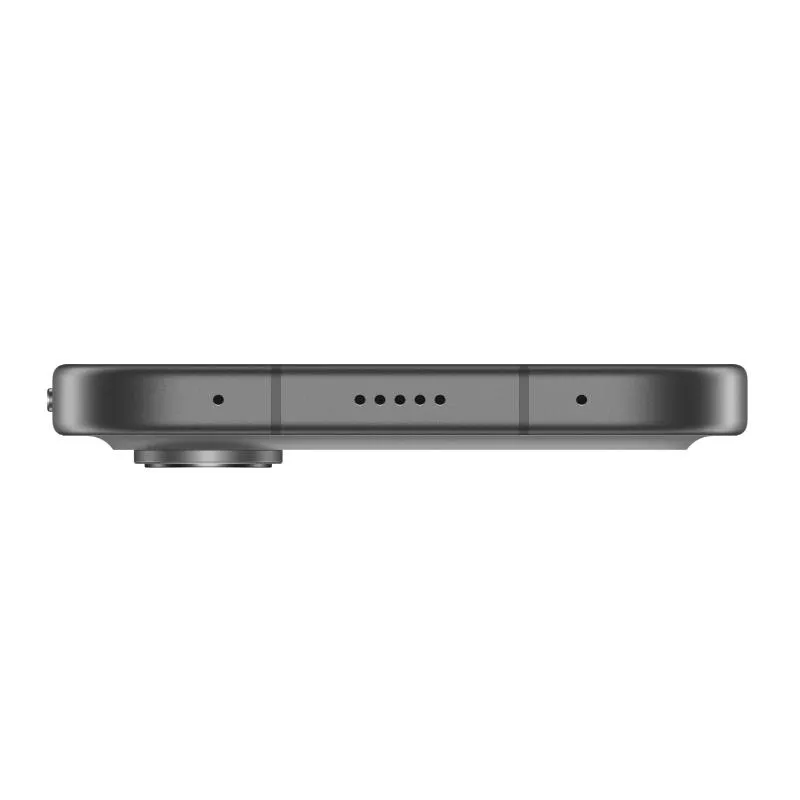
Performance and Processing Power
Why Fast Processors Define User Experience
The processor controls how quickly your phone responds to every tap, swipe, and command. A fast chipset opens apps quickly, keeps animations smooth, and reduces waiting times when you share photos, edit videos, or switch between heavy apps. It also powers advanced AI features, like real‑time language translation, smarter photo processing, and improved voice assistants.Faster processors often bring better efficiency too. That means less heat, lower battery drain, and more stable performance during long gaming or streaming sessions. With 5G, cloud services, and higher‑resolution displays now common, weak processors struggle to keep up and make even simple tasks feel laggy.
RAM and Storage: What Do You Really Need?
RAM affects how many apps your phone can keep open without reloading. In 2026, 8 GB of RAM suits most everyday users, while 12 GB or more is ideal for heavy gamers and multitaskers. Extra RAM helps with smooth app switching and reduces stutter when several apps run in the background.Storage matters for photos, videos, and apps. Many base models still start at 128 GB, which works if you stream most content and use cloud backups. If you shoot lots of 4K or 8K video, download many games, or keep media offline, look for 256 GB or more. Also check whether the phone supports fast UFS storage, which speeds up app loading and file transfers.
Display Quality and Visual Experience
Resolution, Refresh Rate, and Brightness Explained
Resolution describes how many pixels your screen has. Full HD+ is enough for most users, while QHD and above give extra sharpness on larger displays, especially for reading small text and watching high‑quality video. Higher resolution uses more power, so many phones let you lower it to save battery.Refresh rate measures how often the screen updates each second. A 90 Hz or 120 Hz panel looks much smoother than 60 Hz during scrolling and gaming.
Eye Comfort and Screen Durability Features
Long hours on a screen can strain your eyes, so eye comfort features are worth attention. Many 2026 smartphones include hardware‑level blue light reduction, low‑flicker or PWM‑optimized dimming, and certified eye‑care modes. These technologies aim to reduce fatigue during night reading, gaming, or long social media sessions, while keeping colors natural.Durability also plays a big role. Look for branded toughened glass, raised bezels, and good frame design that helps absorb impact. Some models offer extra scratch resistance or oleophobic coatings to reduce smudges and keep the display clear. Water and dust resistance ratings, such as IP67 or IP68, protect your screen and internals from rain, spills, and accidental drops in water.
Software, Design, and Extra Features
Operating System and Long-Term Updates
The operating system decides which apps you can use, how secure your data stays, and how often you receive new features. In 2026, Android offers strong app ecosystems, solid privacy controls, and deep integration with wearables and smart home devices. The bigger difference often lies in update speed and duration.Some Android brands now match or approach Apple’s long‑term support, while others still lag behind. Before buying, check the promised years of major OS upgrades and security patches. A longer update window means your phone will remain safe, compatible with new apps, and less likely to suffer performance issues caused by outdated software.
Build Quality, Durability, and Smart Features
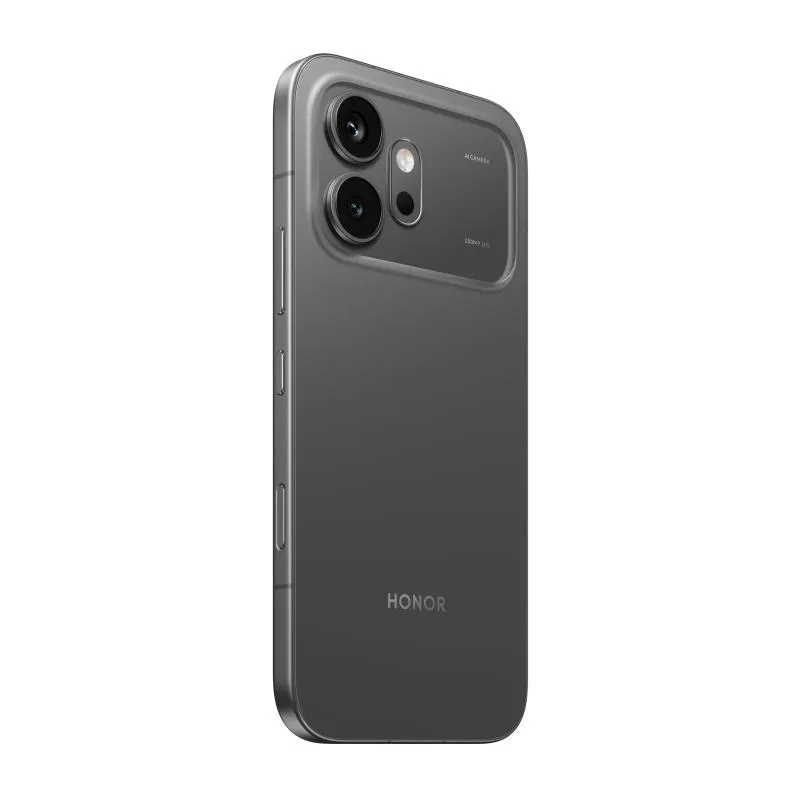
A well-built phone feels solid, resists damage, and holds its value longer. Frames made from aluminum or stainless steel, combined with quality glass or robust plastic, reduce flex and creaks. IP ratings for water and dust resistance give extra peace of mind in rain or near pools. When considering options, many users also search for details like honor 600 price in dubai to balance build quality with value. Good build quality also improves button feedback, speaker clarity, and overall comfort.Smart features further enhance daily use. Fast wired and wireless charging save time and reduce battery anxiety. Reverse wireless charging lets you top up earbuds or a watch. NFC enables quick payments and pairing. AI-enhanced cameras, voice assistants, and on-device translation remove friction from common tasks.
Conclusion
Picking the right smartphone in 2026 means focusing on real‑world needs, not just flashy marketing terms. A strong processor, enough RAM, and fast storage keep your phone smooth for years. A high‑quality display with good brightness, eye comfort, and solid durability makes daily use far more pleasant. Reliable software, long‑term updates, and clean design protect your data and extend the life of your device.When you compare models, think about how you actually use your phone. Gamers may prioritize performance and cooling, while frequent travelers might value battery life, charging speed, and 5G support. Creators should look at camera quality and storage. Everyone benefits from strong build quality and smart extras that save time.