A smartphone can reduce daily screen stress when it helps people use screens with more control, not more pressure. Screen stress often comes from constant alerts, endless switching, harsh viewing conditions, low battery worry, and too many apps competing for attention. The phone itself is not always the problem. The way people set it up often decides whether it feels useful or exhausting. A better smartphone experience should make reading, watching, calling, searching, and messaging feel easier on the eyes and mind. With the right features and habits, a phone can become a calmer tool instead of another screen that drains the day.
How Phone Design Can Lower Everyday Screen Pressure
A Comfortable Display Makes Long Use Easier
A screen can create stress when users keep squinting, tapping the wrong place, or adjusting brightness again and again. A comfortable display helps reduce that friction. A larger screen gives text, icons, videos, maps, and messages more room, which can make daily use feel less cramped. A smoother refresh rate can also make scrolling feel more natural when people move through chats, articles, social feeds, or transport apps. These details matter because screen stress often builds slowly. It starts with small discomforts. When the display feels clearer and easier to read, users spend less effort fighting the screen and more attention on the task.
Battery Anxiety Adds Hidden Stress
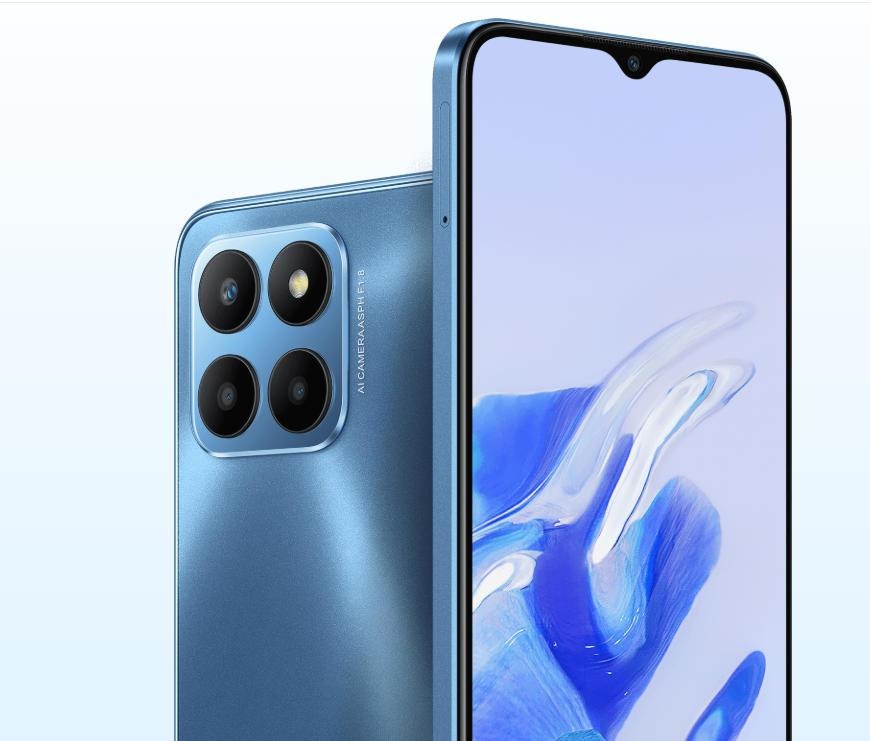
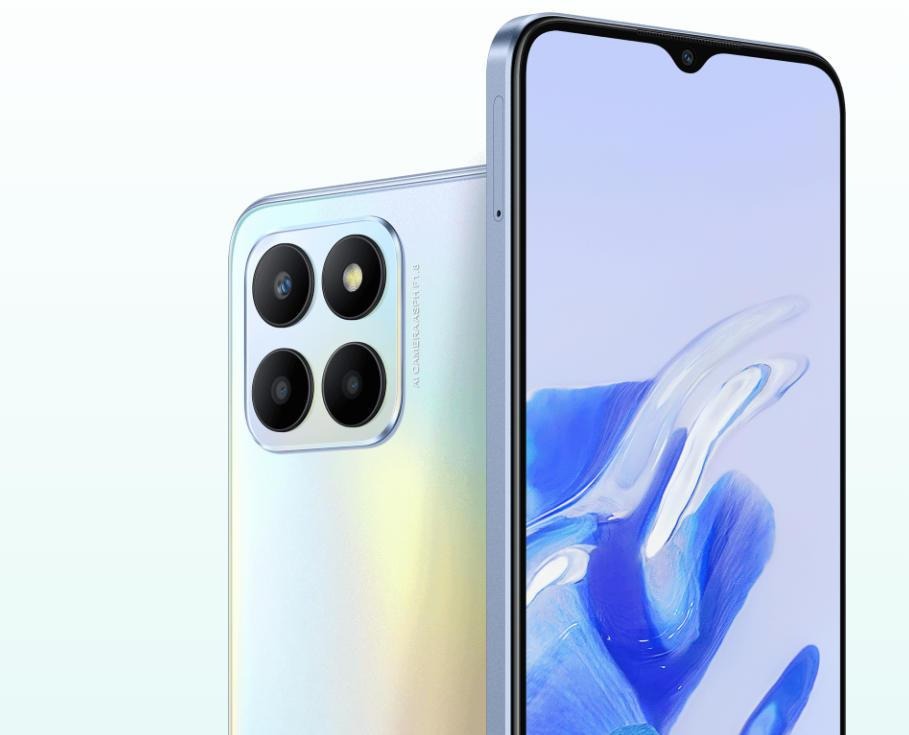
Many people feel screen stress before the phone even slows down. They see the battery percentage dropping and start changing their behavior. They lower brightness too much, avoid calls, stop using navigation, or delay replying because they want to save power. That kind of battery anxiety makes the screen feel like a limited resource. A phone with stronger battery life can reduce this pressure. The HONOR X6 5G phone fits naturally into this topic with its 5000mAh battery, 22.5W HONOR SuperCharge, 5G support, 6.5-inch FullView Display, 90Hz refresh rate, and 50MP main camera. These features support long daily use without forcing users to manage the device every hour.
Fast Access Reduces Digital Friction
Screen stress also comes from waiting. Slow loading, repeated app switching, poor connections, and delayed downloads can make a simple task feel heavier than it should. A phone with fast mobile connectivity and steady performance helps users finish actions faster. They can download a file, open a map, send a message, stream a video, or check information without feeling stuck. This does not mean people should spend more time on the phone. It means they can spend less time wrestling with the phone. When the device responds quickly, users can complete the task and move on with the day.
How Better Phone Habits Create a Calmer Screen Life
Notifications Should Have Permission to Interrupt
A phone cannot reduce screen stress if every app has the right to interrupt. Notifications should follow a clear rule: only important alerts deserve immediate attention. Calls from key contacts, payment updates, calendar reminders, transport changes, and urgent messages may stay visible. Shopping prompts, random app updates, and low-value reminders can stay silent. This small change can make the phone feel much calmer. Users do not need to check every buzz or banner. They can choose when to look. Screen stress often drops when the phone stops behaving like everything is urgent. A quieter notification setup gives attention back to the user.
App Layout Can Make the Phone Feel Lighter
A messy home screen creates visual pressure before the user opens anything. Too many icons, folders, widgets, and badge counts can make the phone feel crowded. A cleaner layout helps users move with purpose. The first screen should hold only the apps used most often, such as phone, messages, camera, maps, notes, calendar, music, and payment tools. Other apps can stay in folders or off the main screen. This does not require extreme digital minimalism. It only asks the user to reduce visual noise. When the screen looks simpler, the mind receives fewer cues to tap randomly.
Short Screen Sessions Work Better Than Endless Use
A smartphone can reduce screen stress when users treat screen time as a series of clear sessions. A person can check messages, read one article, watch one saved video, reply to family, or review a list. Then they can stop. Endless browsing feels different because it has no finish line. The screen keeps asking for more attention. Clear sessions protect energy. Users can also set small rules, such as no phone during meals, no random scrolling before sleep, or message checks at certain times. These boundaries make the phone easier to use without letting it stretch across the whole day.
Conclusion
A smartphone can reduce daily screen stress when both the device and the user support calmer use. A comfortable display, strong battery life, fast access, and steady performance can remove many small frustrations. Better habits then complete the change. Users need quieter notifications, cleaner app layouts, and clearer screen sessions. The goal is not to avoid the phone completely. The goal is to make it feel less demanding. When a smartphone helps people finish tasks smoothly, stay connected without constant interruption, and manage attention with more intention, it can become part of a healthier daily screen routine.