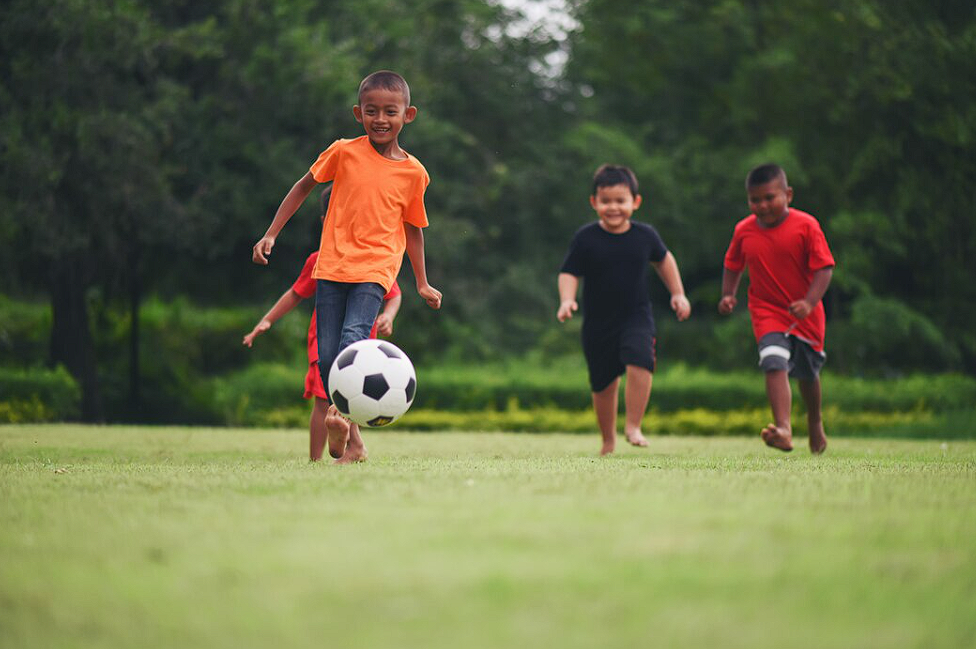
Change continues to accelerate for youth sports culture in Nigeria. Involvement in youth sports has expanded beyond informal community games to organized leagues, talent identification programs, federated schools, and even school—and community-focused electronic media. It has been advanced through government investment, corporate sponsorship, media participation, and social competitiveness to achieve coordination. In Nigeria, youth sports have also become a developmental focus, as sports are no longer only recreational.
Academic Systems, Local Competitions, and the Rise of Athletic Careers
The shift is supported by technology, digital broadcasting, and scholarship platforms. Competitions are often advertised, analyzed, and streamed online. Parents and youth frequently search for opportunities, including mobile football brackets or remote tournament signups via platforms associated with the MelBet NG app, which often come up in youth-level match discussions. The new pathways allow players to obtain information on eligibility, tournament openings, and the timeline for being scouted. They no longer need to contact federations directly, making the process faster and easier.
The most impactful event is the integration of organized sports in the curriculum in Nigerian schools. Several secondary schools now have systematic competition scheduling, coached organized training, and official cut selection procedures. Young athletes receive training earlier and can develop physically, psychologically, and tactically simultaneously. Parents have recognized the value of these changed opportunities, and many now make their educational choices based on the school’s athletic reputation.
When Talent Meets Media Growth and Commercial Support
Even a branding function is part of preparing for a career. Athletes about to sign promotional deals study media presence, interview etiquette, and profile visibility. Match highlights are frequently distributed on social media, and visibility on a competitive stage is measurable. Some platforms even amplify statistically based predictions or match-day observations, reinforcing attention to youth matches while indirectly linking communities to fan-engagement portals featuring APK pages used alongside national tournaments.
As chances to play sports advance, so does advertising. Corporate sponsors have bled into schools’ sports jerseys, field improvements, and even promoted tournaments. They sustain a connected economic ecosystem in which young athletes are being scouted and monitored. Many youth coaches report that, more than ever, young athletes, around 14 years old, understand the rigors of professional sports. These often include match breakdown analysis, discipline, hydration, injury prevention, and related areas.
Core Elements Fueling Youth Sports Participation
The growth of youth sports in Nigeria is not accidental—it is a multifactorial phenomenon influenced by the environment, economics, mentorship, culture, and personal incentives.
Key motivators behind increased youth sport participation are:
- Sports scholarships that generate academic opportunities
- Structured competitions that provide measurable evaluation routes
- Local academies offering skill-development pathways
- Fan culture encourages identity-based loyalty
- International athlete role models inspiring community pride
The synergy between these elements created momentum, turning youth ambition into a long-term development strategy rather than a short-term hobby.
Why It Leads to Career Sustainability
In earlier decades, the road from street football to a professional contract was unpredictable. Today, transparency exists in scouting events, preseason performance-ranking systems, and athlete documentation. This clarity enables young players to set realistic targets and remove uncertainty from early-stage training cycles.
Youth Sports as a Channel of Social Responsibility and National Image
The sports movement extends far beyond competition. For many communities, athletic participation represents discipline, employment possibilities, local pride, and social stabilization. Parents increasingly view sports participation as a means to help their children maintain emotional balance—structured routines reduce unstructured leisure time and foster health-promoting habits. Youth athletes show improved self-confidence, teamwork, communication, conflict resolution, and time management.
Coaches often confirm that players who perform in highly competitive environments become socially disciplined more quickly than non-athletes. The weight of team accountability helps prevent early dropout. Additionally, improved access to travel competitions builds life experience: passport acquisition processes, cross-regional movement, scheduling logistics, and media awareness become core developmental pillars.

Regional Camps, Consolidated Training, and Scalable Professional Pathways
A strong movement toward training consolidation appears across six southern states and several northern hubs. Large-scale athletic camps implement multi-sport curriculum models, including football fitness units, tactical classroom discussions, hydration scheduling, and psychological resilience workshops. This structure resembles professional academies, and teenagers receive developmental experiences that were unavailable fifteen years ago.
Sports federations also experiment with integrated transition frameworks—player passports, skill-rating indexes, coach-evaluation grading, and match-archive databases. These instruments reduce talent loss and ensure that standout athletes are immediately tracked across competitive levels. The accessibility of talent progression routes significantly reduces missed opportunities.
| Component of System | Earlier Youth Model | Expanded Modern Structure |
| Pathway to visibility | Informal tournaments | Multi-tier ranking, televised youth championships |
| Training exposure | Once-a-week evening practices | Daily conditioning cycles + tactical learning blocks |
| Athletic evaluation | Coach observation only | Statistical tracking, recorded competition footage |
| Entry into academies | Limited invite-only selection | Open trials, documentation formats, and multi-round onboarding |
| Branding | Not relevant | Media mentorship, highlight reels, social-platform profiles |
Where the Movement Will Lead in the Next Five Years
Nigeria’s youth sports movement is transitioning toward autonomous frameworks. Schools will adopt athletic scholarship quotas, academies will integrate wearable technology for strain measurement, and federations will formalize digital player-passport systems. Eventually leads to improved youth-league broadcasting rights and increased marketplace value for local athletes.
Communities expect that increased international professional representation will encourage reinvestment in local infrastructure—training pitches, medical units, and town-level sports labs. That momentum has the capacity to make Nigerian youth sports one of Africa’s most profitable long-term athletic ecosystems.
Youth Sports Will Become Nigeria’s Cultural Anchor
There is much more than trophies and accolades that accompany the expansion of young people in league sports. Young people also gain organization, self-control, career options, and connections with adults. Every parent in small towns captures every moment of the children’s matches, and every sibling of the young athlete drills the activities they just saw in the home schoolyards.